

Oftentimes, de-cluttering and downsizing are seen as almost the same thing and this is mainly because de-cluttering helps make downsizing easier. After having a thorough search and analysis, I think both have a distinct purpose that benefits each other. Identifying their capacity and limitations will be of big help to understanding this topic even better.
 First, let’s start off with their true meaning based on the dictionary:
De-clutter – remove unnecessary items from (an untidy or overcrowded place). — Oxford Dictionary
Downsizing – move to a smaller place of residence. — Oxford Dictionary
Simply put, you won’t be able to downsize without first managing to de-clutter –
This task can feel to be overwhelming but let us break it down with a few questions – remember getting clarity and then organised with a plan of action, always takes time & effort.
First, let’s start off with their true meaning based on the dictionary:
De-clutter – remove unnecessary items from (an untidy or overcrowded place). — Oxford Dictionary
Downsizing – move to a smaller place of residence. — Oxford Dictionary
Simply put, you won’t be able to downsize without first managing to de-clutter –
This task can feel to be overwhelming but let us break it down with a few questions – remember getting clarity and then organised with a plan of action, always takes time & effort.- Will there be any potential changes that will affect your lifestyle when you start to de-clutter?
- How would you like to utilize your space?
- What particular furniture do you need?
- What are the things you won’t have space for in your room?
- How will de-cluttering change your day-to-day routine?

De-cluttering always stirs up the emotions so it takes time to make some decisions – you may need to do the de-clutter process several times before you are ready to downsize.
There are a lot of things that you need to keep in mind that we will unravel through this discussion, and these are the following:
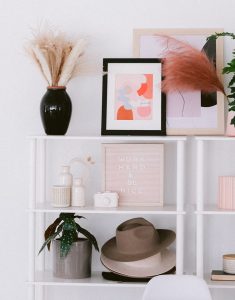 To keep yourself on track, focus on things you really need when you move in to a smaller space. Picturing yourself in your new space can be very helpful to keep you engaged in this process. Even if you will be continuing to live in the same place, you can visualize, imagine and recreate how you want it to be.
The importance of this, is that you are prepared to assess how you would feel when you minimize your belongings, to an extent where you can determine how this may affect your daily routine.
Think of it as if it’s your exclusive space where you can only choose what stuff is important and beneficial to you, like photo albums, clothes, artwork, favourite kitchen items etcetera. The more useful things you leave or bring to your new home, the more beautiful and useful the outcome will be. After all, this is the outcome you wish to achieve when you finish de-cluttering for your new space : less to manage and maintain yet retaining the precious or useful.
 If you liked this blog – continue to check in as we will be sending a weekly series of breaking this down into smaller chunks – let us, be your prod to keep in action with one step at a time. The emotional calm that you will get will be worth it.
Written by: Yvonne Gwyneth Babol
If you liked this blog – continue to check in as we will be sending a weekly series of breaking this down into smaller chunks – let us, be your prod to keep in action with one step at a time. The emotional calm that you will get will be worth it.
Written by: Yvonne Gwyneth Babol