

The Australian property market in 2025 presents both challenges and opportunities for homebuyers, investors, and developers. Key factors influencing the market include fluctuating interest rates, housing affordability, and the growing divide between capital cities and regional areas. In this article, Experts reveal property market predictions for 2025, experts reveal property market predictions for 2025, exploring trends shaping Australia’s real estate landscape and how these factors will impact buyers and investors.
Capital Cities vs Regional Areas: A Diverging Trend
The Australian property market is experiencing a noticeable shift, with distinct differences between capital cities and regional areas. These shifts are presenting unique opportunities for both homebuyers and investors.

Capital Cities: Challenges and Opportunities
Major cities like Sydney, Melbourne, and Brisbane have traditionally been prime destinations for property buyers and investors. However, by 2025, these cities are facing fluctuations, largely driven by changes in interest rates and broader economic conditions. While luxury markets in areas such as Melbourne and Sydney have rebounded, affordability remains a persistent challenge.
Despite some recovery in luxury markets, rising home prices and limited housing supply are pushing many potential buyers, particularly first-time homebuyers, out of the market. The affordability crisis is deepening, as the gap between demand and supply continues to put upward pressure on prices. Even with interest rate cuts, the cost of living remains high, and household incomes have not kept up with property price increases.
Regional Areas: A Stronger Growth Story
In contrast, regional markets are seeing stronger growth in 2025 compared to capital cities. Home prices in regional areas have increased by 4.54%, outpacing the 3.70% growth in capital cities. This trend is largely driven by affordability, with many Australians relocating to regional areas for cost-effective housing options.
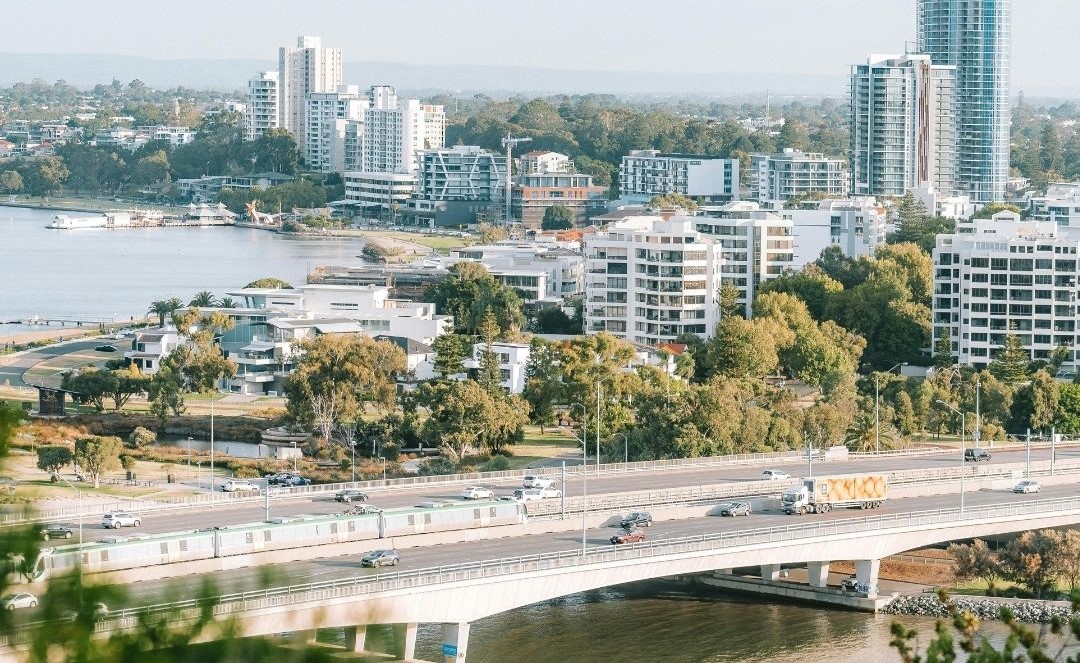
Cities like Perth, Adelaide, and regional Victoria are attracting buyers seeking more affordable homes, larger spaces, and a better quality of life. The appeal of regional living is also growing due to the rise of remote work, offering people more flexibility in where they live. As infrastructure improves and remote work becomes more common, regional properties are likely to remain in high demand throughout 2025.

The Impact of Interest Rates on the Property Market
Interest rates are a key factor in shaping the Australian property market in 2025. The Reserve Bank of Australia’s (RBA) cash rate decisions directly affect borrowing costs, housing demand, and property prices.
In early 2025, the RBA implemented a 25-basis point rate cut, easing borrowing costs. This has spurred demand, particularly in the luxury property market, where buyers are benefiting from better financing terms. However, while rate cuts help alleviate some affordability pressures, the cost of living remains high, and household incomes have not kept pace with rapid property price increases.
Despite further expected rate cuts, affordability in capital cities will likely remain an ongoing issue. High demand combined with limited housing supply will continue to push up prices, especially in high-demand areas. This means that while some buyers in the upper-end market benefit from lower interest rates, first-time buyers with limited savings will still face challenges entering the market.
Affordability Trends: A Growing Concern
Affordability is one of the most pressing issues in the Australian property market in 2025. As property prices continue to rise faster than wages, many middle-income families and young Australians are feeling the strain. The affordability gap is growing, particularly in capital cities like Sydney and Melbourne.
Capital Cities: Affordability Crisis Deepens
In cities like Sydney and Melbourne, median home prices have become unaffordable for many first-time buyers without substantial family support or significant savings. This affordability gap is forcing more buyers to consider alternatives, such as regional areas or smaller cities where property prices are more reasonable.
As affordability remains a challenge, many capital city buyers are increasingly turning to government incentives or shared equity schemes to make homeownership possible. However, these options remain limited, and demand for affordable housing in these cities continues to outpace supply.

Regional Areas: More Affordable but Not Immune to Growth
Regional areas offer more affordable housing, despite strong price growth in 2025. Locations like Queensland, South Australia, and Western Australia are seeing property price increases, but they remain more accessible than capital cities like Sydney or Melbourne.
Regional areas also benefit from improved infrastructure, better transport links, and a growing demand for lifestyle properties. These regions are attractive to buyers who seek affordable, spacious homes with access to nature and a slower pace of life. Furthermore, as remote work continues to thrive, more people can live in these areas without compromising professional responsibilities.
What’s Next for the Property Market in 2025?
Several factors will influence the Australian property market as 2025 progresses, including interest rate trends, supply and demand dynamics, and regional demand. Here’s what to expect:
- Interest Rate Trends: If the RBA continues to reduce rates, certain market segments in capital cities may see further growth. However, affordability challenges are expected to persist in high-demand areas.
- Supply and Demand: Population growth combined with limited housing supply in major cities will keep demand higher than supply, pushing property prices upward in sought-after locations.
- Regional Demand: The shift toward regional markets is expected to continue as buyers seek more affordable housing options and lifestyle benefits. Remote work and better infrastructure will support this trend.
- Government Policies: Policies aimed at addressing housing affordability, including first-time homebuyer grants or stamp duty reforms, will play a key role in shaping demand.
Partner with PWC Realty for Expert Guidance in 2025
Navigating the Australian property market in 2025 requires expert guidance. At PWC Realty, we specialise in helping clients make informed decisions in this dynamic market. Whether you’re buying, selling, or investing, our team is here to support you.
For further insights into Perth’s property growth and regional trends, check out our valuable articles: Why Investors Can’t Ignore Perth’s Property Growth and Melville Property Market 2025: Price Growth & Buyer Opportunities.
Jo Lindo, an experienced property expert, is ready to guide you through the complexities of the 2025 Australian property market. Contact us today for expert advice.
📞 Call: 0429 092 110
🌐 Visit: pwcrealty.com.au
The Australian property market in 2025 presents both unique opportunities and challenges. By staying informed on key trends and partnering with experts, you can make well-informed decisions in this evolving market.